
ESSSP · Elite Science & Social Studies Program

Read to explore
the world.

Science and social studies give children something worth discussing—and a reason to use precise English.

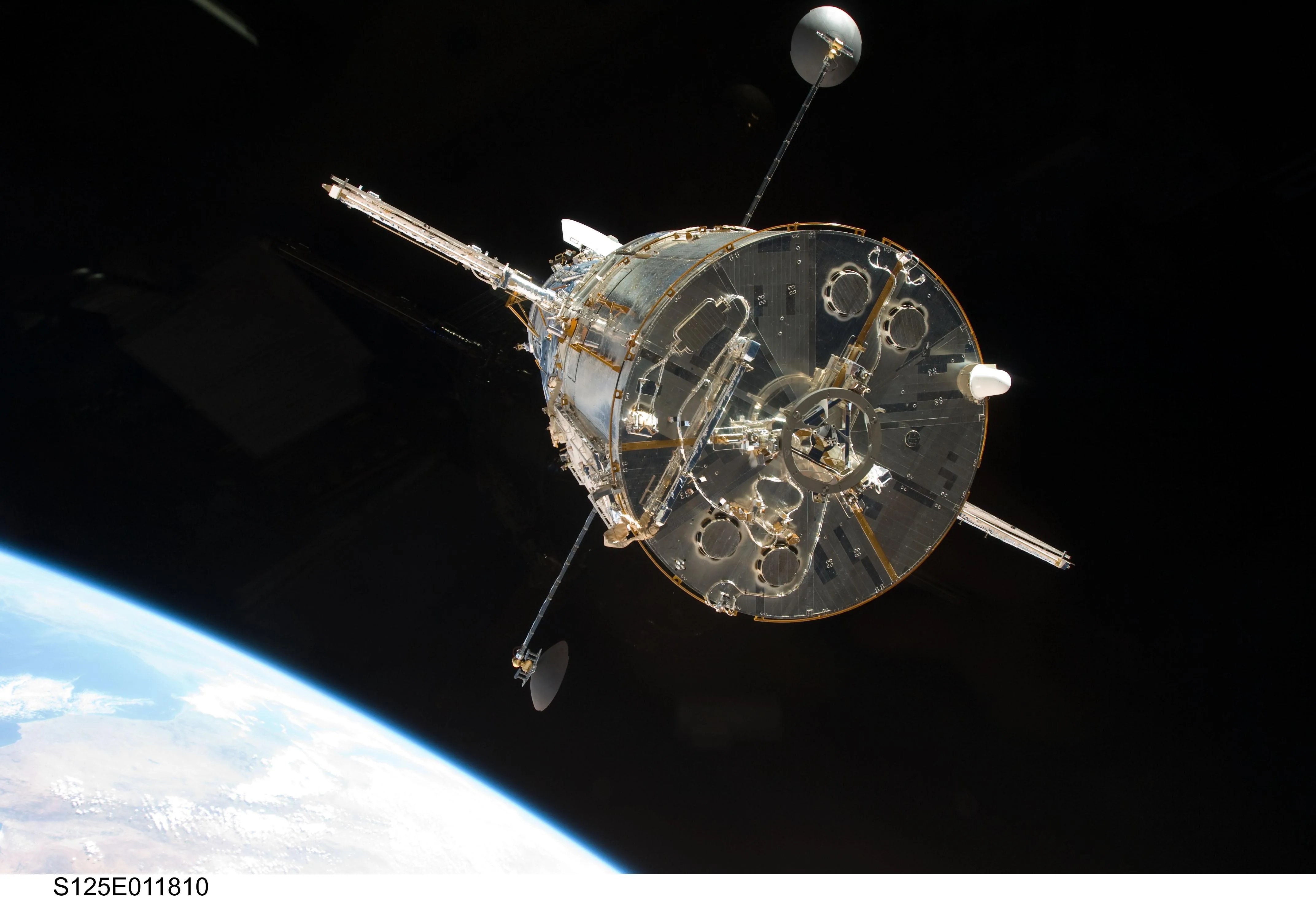
Hubble Space Telescope and Earth, NASA

A concept becomes a conversation.

Teaching illustration · Astronomy

Why does a telescope orbit above Earth?

Read an explanation, identify the role of Earth’s atmosphere, and connect that evidence with the telescope’s position. Practise explaining a cause with “because”, then compare observations made from the ground and from orbit.

The discussion connects subject knowledge, reading comprehension and precise expression.

ESSSP · UNITS 1–16

16 units. Explore science and society.

ESSSP connects Science and Social Studies with informational reading, academic vocabulary and discussion in English. Across 16 units and 144 teaching sessions, students explore concepts, follow relationships and use evidence to explain their thinking. Eight Science and eight Social Studies units alternate. ESSSP is a flagship course alongside Reading and Writing.

Each unit has six text titles taught over nine sessions. A Passage takes one session; a Book marked A/B takes two. The number of text titles is different from the number of teaching sessions.

Unit 01 · Social Studies · 9 teaching sessionsEconomics: Supply and DemandExplore goals and textsClose goals and texts

Connect goods and services with supply, demand, consumer choices, marketing and real cases.

  1. L1Goods and Services
  2. L2 A/BSupply and Demand
  3. L3Why Sales?
  4. L4Wants and Needs
  5. L5 A/BMarketers and Advertisers
  6. L6 A/BCase Studies in Supply and Demand

Unit 02 · Science · 9 teaching sessionsForces and Motion in SportsExplore goals and textsClose goals and texts

Explore forces through sports equipment, Newton’s laws, motion, energy and applications in sport.

  1. L1What Are Forces?
  2. L2 A/BGear for the Game
  3. L3Newton's Laws of Motion
  4. L4 A/BFaster and Farther: Moving with Force
  5. L5Energy in Motion
  6. L6 A/BWorking for the Win

Unit 03 · Social Studies · 9 teaching sessionsThe AztecsExplore goals and textsClose goals and texts

Read about Tenochtitlan, its ruler, daily life, technology and religion, then investigate the empire’s decline.

  1. L1The City of Tenochtitlan
  2. L2Montezuma
  3. L3 A/BDaily Life of the Aztecs
  4. L4 A/BAztec Technology
  5. L5Aztec Religion
  6. L6 A/BThe End of the Aztec Empire

Unit 04 · Science · 9 teaching sessionsAnimal Adaptations in the ArcticExplore goals and textsClose goals and texts

Connect predators and prey with Arctic habitats, adaptations, extinction and environmental change.

  1. L1 A/BPredators and Prey
  2. L2 A/BLife in the Arctic
  3. L3Amazing Adaptations
  4. L4How Living Things Adapt
  5. L5Where the Woolly Mammoths Went
  6. L6 A/BThe Changing Arctic

Unit 05 · Social Studies · 9 teaching sessionsTraveling the Silk RoadExplore goals and textsClose goals and texts

Trace trade routes and travellers’ accounts to understand exchanges of goods, ideas, art and disease.

  1. L1The Secret of Silk
  2. L2 A/BThe Silk Road: East Meets West
  3. L3Routes and Rides of the Silk Road
  4. L4 A/BMarco Polo's Travels
  5. L5The Letters of Ibn Battuta
  6. L6 A/BMore Than Silk: Ideas, Art, and Disease on the Silk Road

Unit 06 · Science · 9 teaching sessionsEarth and the Solar SystemExplore goals and textsClose goals and texts

Move from the Sun and planets to Earth, gravity, orbits and space exploration.

  1. L1Our Sun
  2. L2 A/BThe Planets in Our Solar System
  3. L3 A/BEarth
  4. L4Other Space Objects
  5. L5Gravity and Orbits
  6. L6 A/BSpace Exploration

Unit 07 · Social Studies · 9 teaching sessionsResisting SlaveryExplore goals and textsClose goals and texts

Examine resistance, escape networks, abolitionist allies and historical legal cases with respect for the people involved.

  1. L1 A/BThe Underground Railroad
  2. L2 A/BFighting Against Slavery
  3. L3La Amistad
  4. L4 A/BEscaping to Freedom
  5. L5Allies to Abolition
  6. L6The Dred Scott Case

Unit 08 · Science · 9 teaching sessionsMicrobes All AroundExplore goals and textsClose goals and texts

Build from cells and microbes to the human microbiome, helpful and harmful effects, applications and contagion.

  1. L1What Is a Cell?
  2. L2Meet the Microbes
  3. L3 A/BYour Body Is an Ecosystem
  4. L4 A/BMicrobes: The Good, the Bad, and the Ugly
  5. L5 A/BThe Future of Microbiology
  6. L6Contagion

Unit 09 · Social Studies · 9 teaching sessionsCities, Water and CivilizationExplore goals and textsClose goals and texts

Explain how access to water and transport supports urban growth; Use archaeological evidence without treating every interpretation as certain; Compare how cities distribute the benefits and costs of infrastructure.

  1. L1Why Cities Grow
  2. L2 A/BStreets and Drains: Reading an Ancient City
  3. L3A Map Is a Set of Choices
  4. L4 A/BWater for a Growing City
  5. L5Whose Journey Counts?
  6. L6 A/BRivergate at a Crossroads

Related units

U 1: scarce resources and needs; U 3: Tenochtitlan as an urban system; U 5: trade and cultural exchange.

Unit 10 · Science · 9 teaching sessionsEarth in MotionExplore goals and textsClose goals and texts

Use multiple evidence types to explain plate motion; Connect plate boundaries with patterns in earthquakes and volcanoes; Distinguish a hazard, exposure and vulnerability when comparing communities.

  1. L1Inside a Moving Planet
  2. L2 A/BThe Case of the Wandering Continents
  3. L3Where Earthquakes Happen
  4. L4 A/BVolcanoes: Destruction and New Land
  5. L5Rocks Keep a Record
  6. L6 A/BTwo Towns, One Earthquake

Related units

U 2: forces and motion; U 6: Earth as a system; U 9: how settlement choices affect communities.

Unit 11 · Social Studies · 9 teaching sessionsMessages That Changed the WorldExplore goals and textsClose goals and texts

Compare the reach, speed and constraints of communication systems; Explain developments in printing across more than one region; Assess how medium, purpose and evidence influence a message.

  1. L1The Long Journey of a Message
  2. L2 A/BPrinting Across Cultures
  3. L3Across an Ocean in Minutes
  4. L4 A/BOne Event, Two Reports
  5. L5What the Picture Leaves Out
  6. L6 A/BA Network Is More Than a Wire

Related units

U 5: movement of ideas along trade routes; U 7: communication and social movements; U 2: forces and technology.

Unit 12 · Science · 9 teaching sessionsMatter and MaterialsExplore goals and textsClose goals and texts

Connect observable properties with a simple particle model; Distinguish physical and chemical change using evidence; Compare material choices using function, testing and life-cycle information.

  1. L1Particles Behind the Properties
  2. L2 A/BWhen Matter Changes
  3. L3The Dissolving Mystery
  4. L4 A/BMaterials Made for a Job
  5. L5The Life of a Bottle
  6. L6 A/BA Filter for Rivergate

Related units

U 2: energy and motion; U 8: visible effects of microscopic systems; U 9: infrastructure and material choices.

Unit 13 · Social Studies · 9 teaching sessionsTrade, Resources and InterdependenceExplore goals and textsClose goals and texts

Trace a product through a value chain; Explain how a disruption can affect more than one stage; Compare efficiency, resilience and wider costs using explicit criteria.

  1. L1A Lunch with Many Origins
  2. L2 A/BThe Journey of a Cotton Shirt
  3. L3When One Link Stops
  4. L4 A/BChoosing a Trade Route
  5. L5A Price Does Not Tell the Whole Story
  6. L6 A/BA More Resilient Food System

Related units

U 1: supply, demand and goods; U 5: trade routes; U 12: material properties and product life cycles.

Unit 14 · Science · 9 teaching sessionsEnergy for a Changing WorldExplore goals and textsClose goals and texts

Trace energy transfers and distinguish energy sources from storage; Use evidence to explain the enhanced greenhouse effect; Evaluate an energy mix using demand, reliability, emissions and resource constraints.

  1. L1Follow the Energy
  2. L2 A/BFrom Source to Socket
  3. L3Stored for Later
  4. L4 A/BWhy the Climate Is Changing
  5. L5The Same Service, Less Energy
  6. L6 A/BPower for an Island

Related units

U 2: energy in motion; U 4: environmental change; U 6: the Sun and Earth; U 13: resource supply and resilience.

Unit 15 · Social Studies · 9 teaching sessionsRights, Rules and Shared DecisionsExplore goals and textsClose goals and texts

Distinguish rules, rights, responsibilities and procedures; Analyze who was included or excluded in historical rights documents; Use evidence and alternative viewpoints to justify a community decision.

  1. L1Rules, Rights and Responsibilities
  2. L2 A/BWho Was Included?
  3. L3How a Group Chooses
  4. L4 A/BEvidence at the Council
  5. L5When Good Claims Compete
  6. L6 A/BOne River, Several Communities

Related units

U 7: slavery, exclusion and rights; U 9: access to city services; U 11: information and viewpoint; U 13: distribution of benefits and costs.

Unit 16 · Science · 9 teaching sessionsGenes, Change and the Future of LifeExplore goals and textsClose goals and texts

Connect cells, DNA, genes and inherited variation using a simple model; Explain how genes and environments interact without genetic determinism; Distinguish a demonstrated biotechnology result from an unsupported promise.

  1. L1Instructions Inside Cells
  2. L2 A/BInheritance Without Identical Copies
  3. L3How Populations Change
  4. L4 A/BGenes, Environment and Evidence
  5. L5Microbes as Makers
  6. L6 A/BChanging Genes: What Should We Ask?

Related units

U 4: adaptation; U 8: cells and microbes; U 12: models and material changes; U 15: evidence and responsible decisions.

How the learning is arranged

Your regular teacher

Time to know your child and build on earlier learning.

Your regular time

A consistent rhythm for preparation, lessons and practice.

A familiar classmate

In 1:2 lessons, children learn and discuss ideas together.

How many ESSSP lessons are there?
There are 16 units and 144 teaching sessions in all. A Book marked A/B counts as two sessions; text titles and teaching sessions are different counts.

Your child’s next step

Start with a conversation.

Tell us about your child’s reading, writing and interests.
We’ll help you discuss a suitable course and trial arrangement.