Level aa - GBasic Reading
Level H - ZAdvanced Reading
Elite Science & Social Studies Program(ESSSP)Advanced Reading
Details
| US CCSS Standard | GK | G1 | G2 | G3 | G4 | G5+ | |
|---|---|---|---|---|---|---|---|
| UK/EU CEFR Standard | PRE-A1 | A1 | A1/A2 | A2/B1 | B1/B2 | B2 | |
| Structured Writing | Elementary Writing G1 | Intermediate Writing G2 | Upper-Intermediate Writing G3 | Academic Writing G4 | Professional Writing G5 | ||
| Guided Reading | Basic Reading RAZ aa-G | Elementary Reading RAZ H/I/J | Intermediate Reading RAZ K/L | Upper-Intermediate Reading RAZ M/N | Cross-Disciplinary Reading RAZ O-Z | ||
| Specialized Courses | Vocabulary Course RAZ C-F | Elite Science & Social Studies Research Course (ESSSP) | |||||
| Super Phonics | Beginner | Phonics | |||||
| Protostar Learning Goals | Hear to Write See to Read | Communication/Grammar Basics Precise Communication/Grammar Application Cross-Disciplinary | Thinking/Reading Strategies Practical | Application/Practical Writing Reading | Strategies/Precise Description Academic Expression/Deep Analysis | ||
| LEXILE Value | BR70L-160L | 160L-450L | 430L-530L | 510L-810L | 660L-940L | 820L-1120L | |
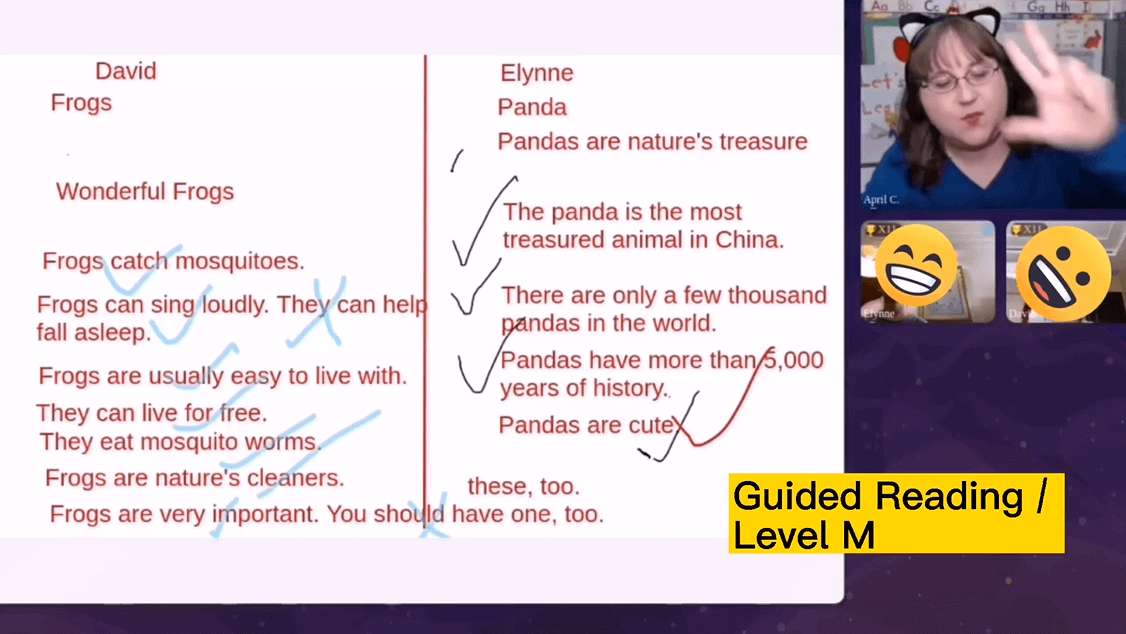
Why Learn Comprehension Skills?
Without comprehension skills training, it may take 3 or more reads to understand the general meaning of an article.
With comprehension skills training, you can extract important information from the text, understand the core message, greatly reduce reading time and improve reading comprehension efficiency in just one read.
What Do We Teach in Comprehension Skills Course?
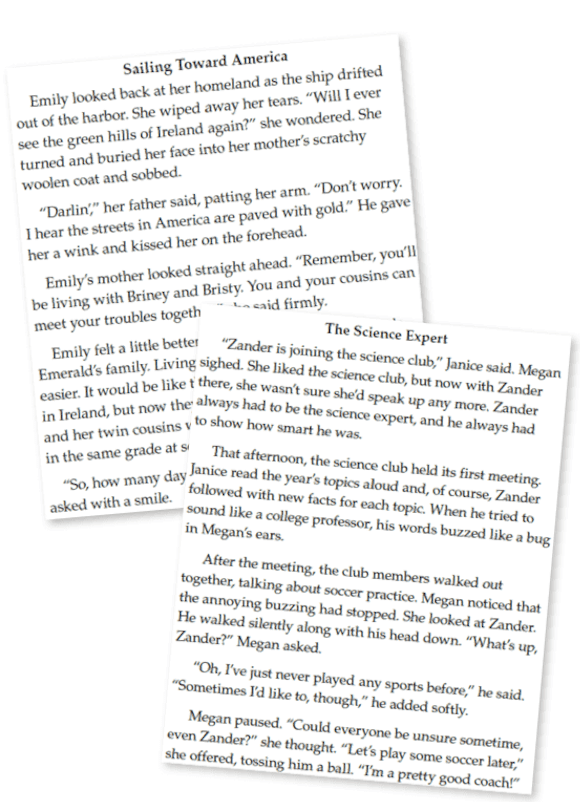
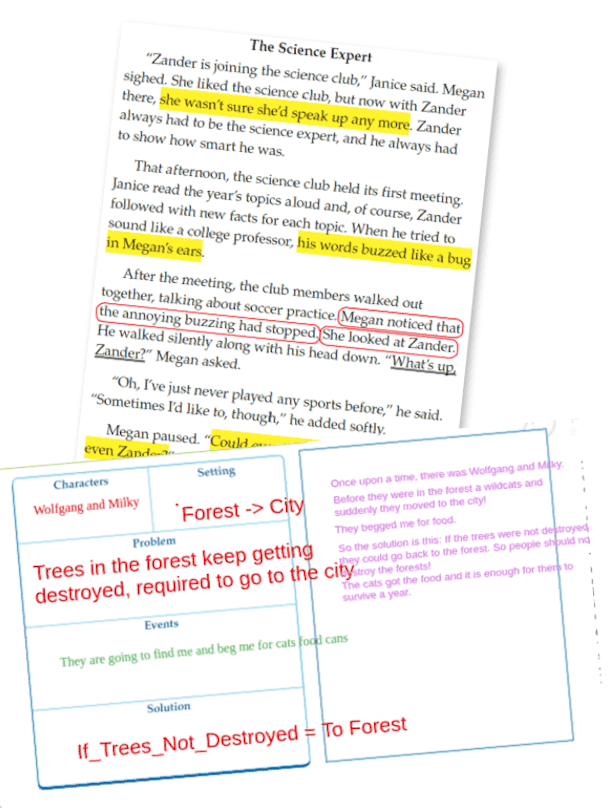
Analyze a character to determine traits; use words, actions, and thoughts as clues.
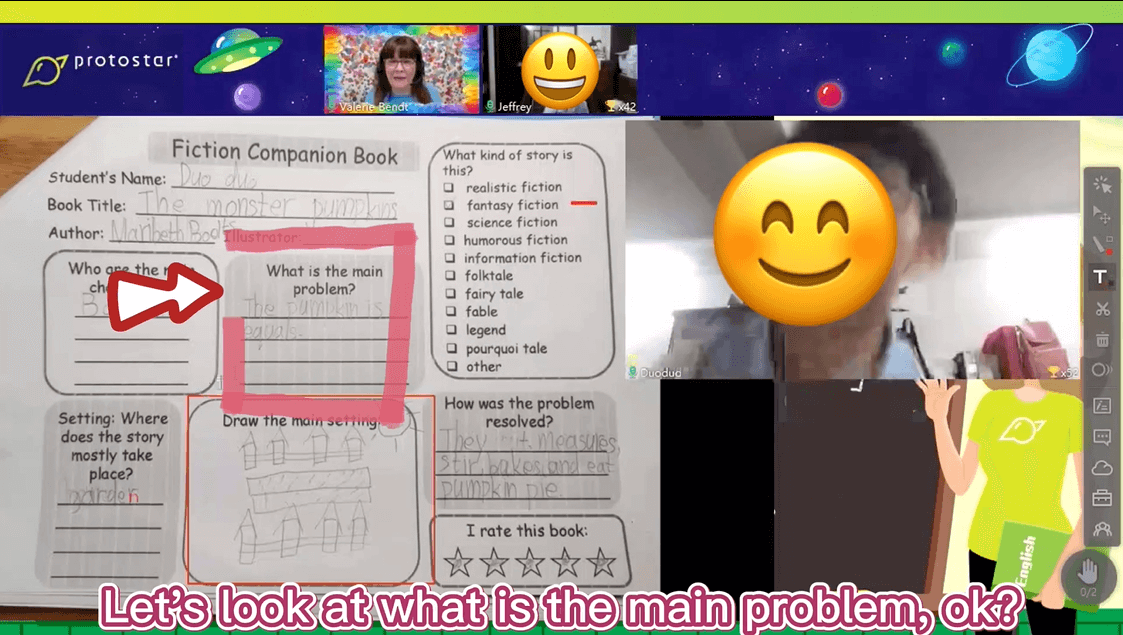
Identify and analyze five plot elements in a story.
Analyze the setting of a fiction passage and how it affects other story elements.
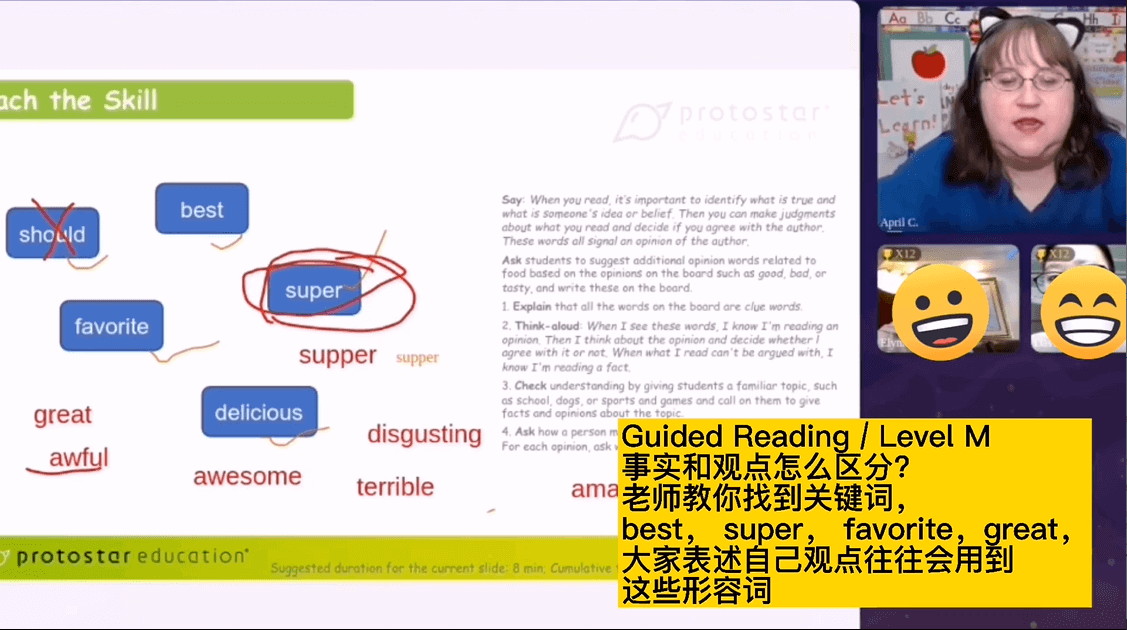
Describe the author's point of view about a topic based on the author's purpose and other clues in a passage.
Identify the author's main purpose (entertain) and the secondary purpose (inform or persuade), based on evidence in a text.
How Do We Teach Comprehension Skills?
Material Overview
Book topic, genre, author, and background knowledge
Phonics
Learning high-frequency words and classroom vocabulary based on reading rules
Reading Comprehension
Complete coherent reading and skill explanation with practical application
Extended Discussion
Open discussion based on illustrations and content in the material
Grammar & Sentence Structure
Sentence construction training to develop structural thinking and writing awareness
Writing Workbook Sentence Training
Accumulate vocabulary, correct grammar errors, improve sentence construction
"RITA" Learning Cycle
Every textbook follows the A/B/C lesson cycle
Pre-Class Raise Question
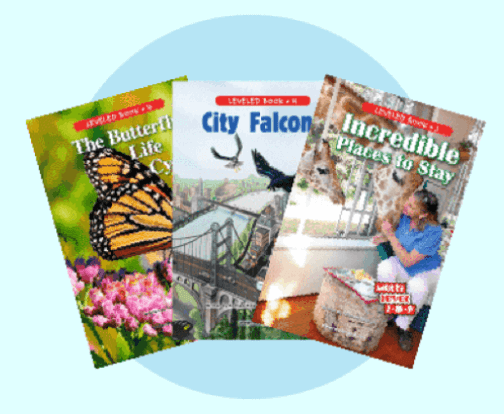
Familiarize with materials, consider content/genre/expression methods, bring questions to class
Classroom Interaction
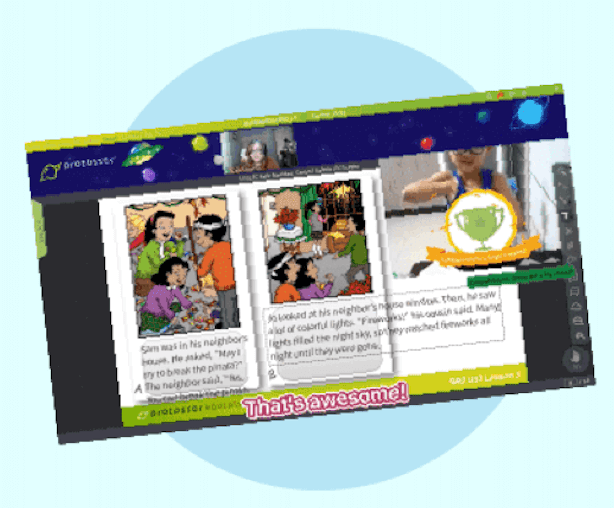
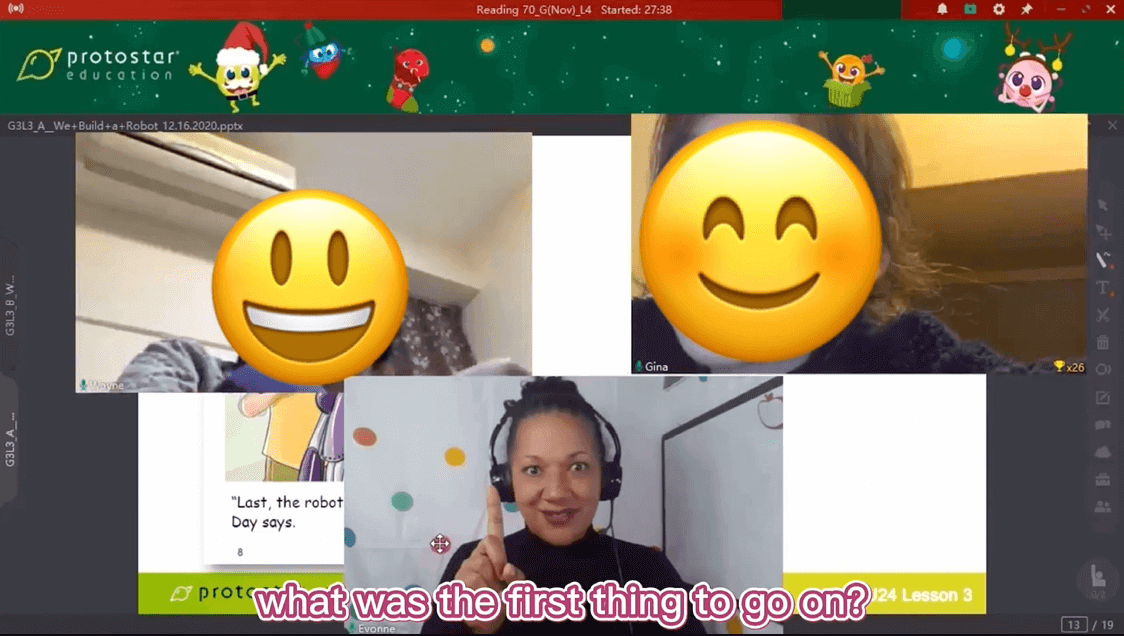
Students fully participate in every stage of interaction with teachers and peers
After-Class Task Extension
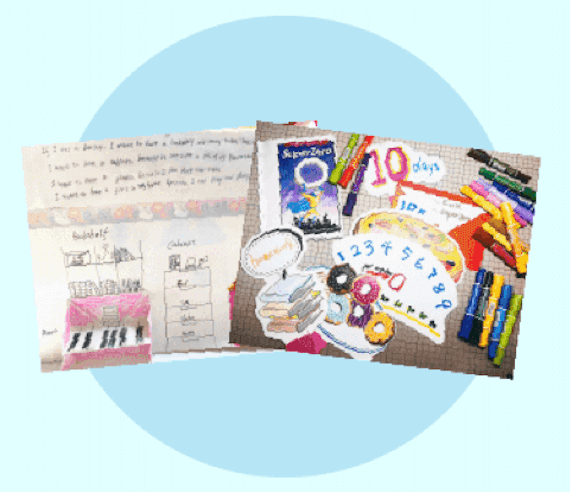
Complete extended exercises (audio, video, drawing, crafts, etc.) corresponding to each main textbook and submit to class advisor
Pre-Class Review of Lesson A
Submit to teacher for reading guidance
Classroom Interaction
Students fully participate in every stage of interaction with teachers and peers
After-Class Main Textbook Quiz
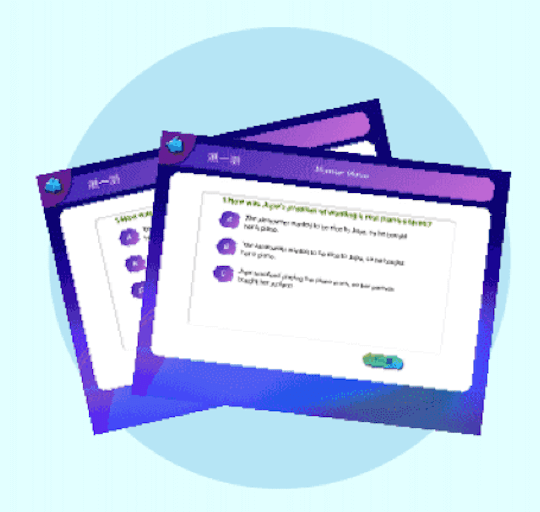
Complete online reading comprehension questions for each main textbook
to assess students' understanding of the book content
Pre-Class Raise question and Complete Supplementary Workbook
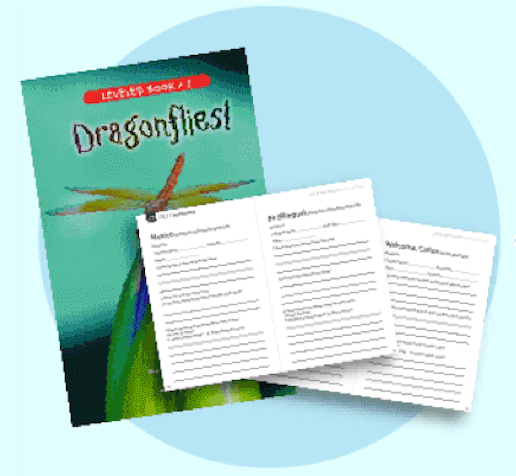
And complete pre-writing exercises in the supplementary reading workbook
Classroom Interaction
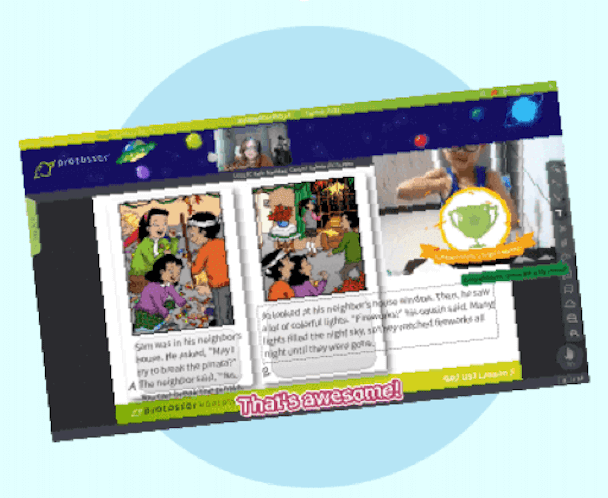
Students fully participate in every stage of interaction with teachers and peers
After-Class Supplementary Reading Quiz
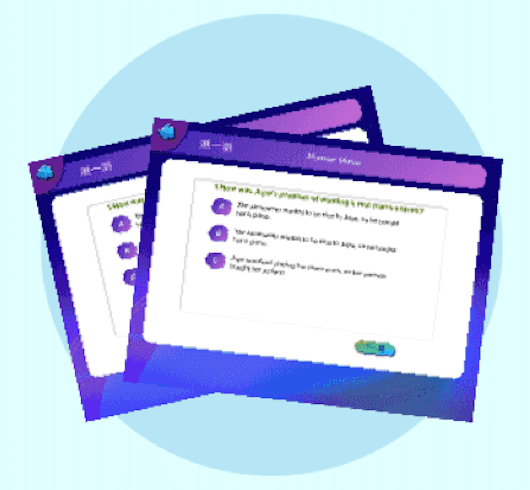
Complete online reading comprehension questions for each main textbook
to assess students' understanding of the book content